

Remote Trauma
——
Medical decision-making , patient care and team performance in remote and resource-limited environments
Training for when definitive care is not Immediately available
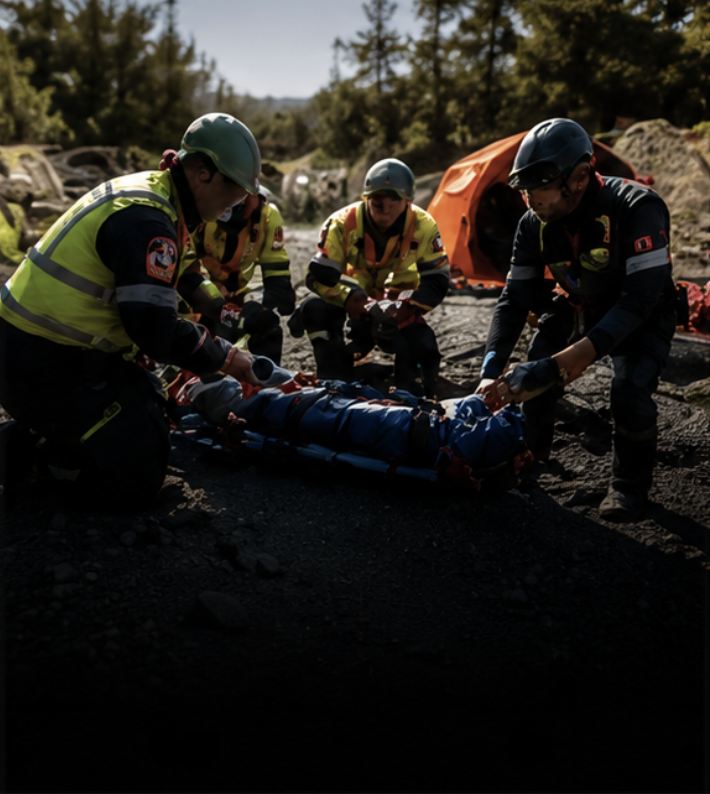
Remote and austere environments present unique challenges for emergency response teams. Delayed access to definitive care, limited resources, environmental hazards and prolonged patient management all place additional demands on responders.
Bravo Eight’s Remote Trauma scenarios are designed to develop and validate the ability of teams to assess, treat, and manage critically injured patients when help is not immediately available.
Clinical Assessment
Recognition of life-threatening injuries and effective patient assessment.
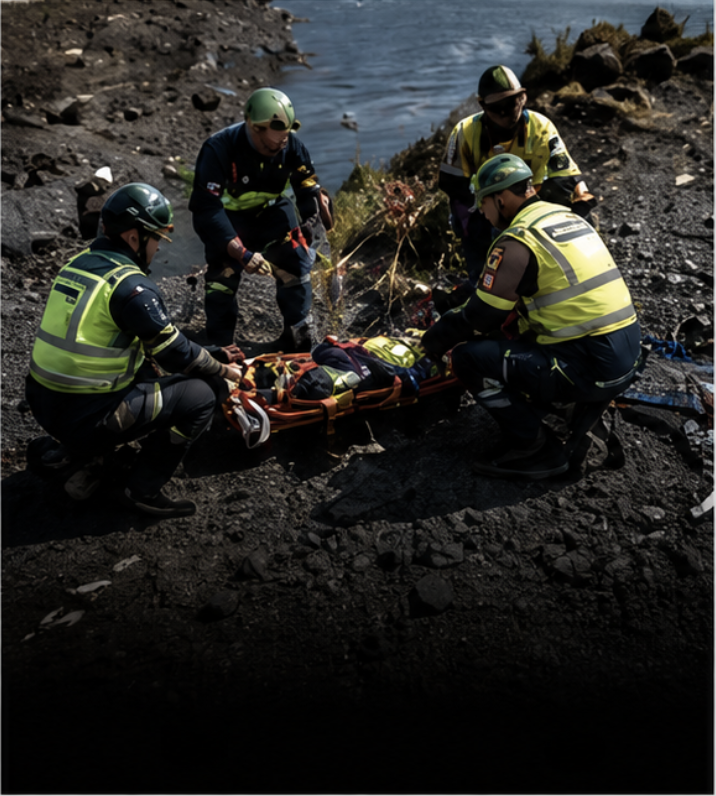
remote Fall Injury
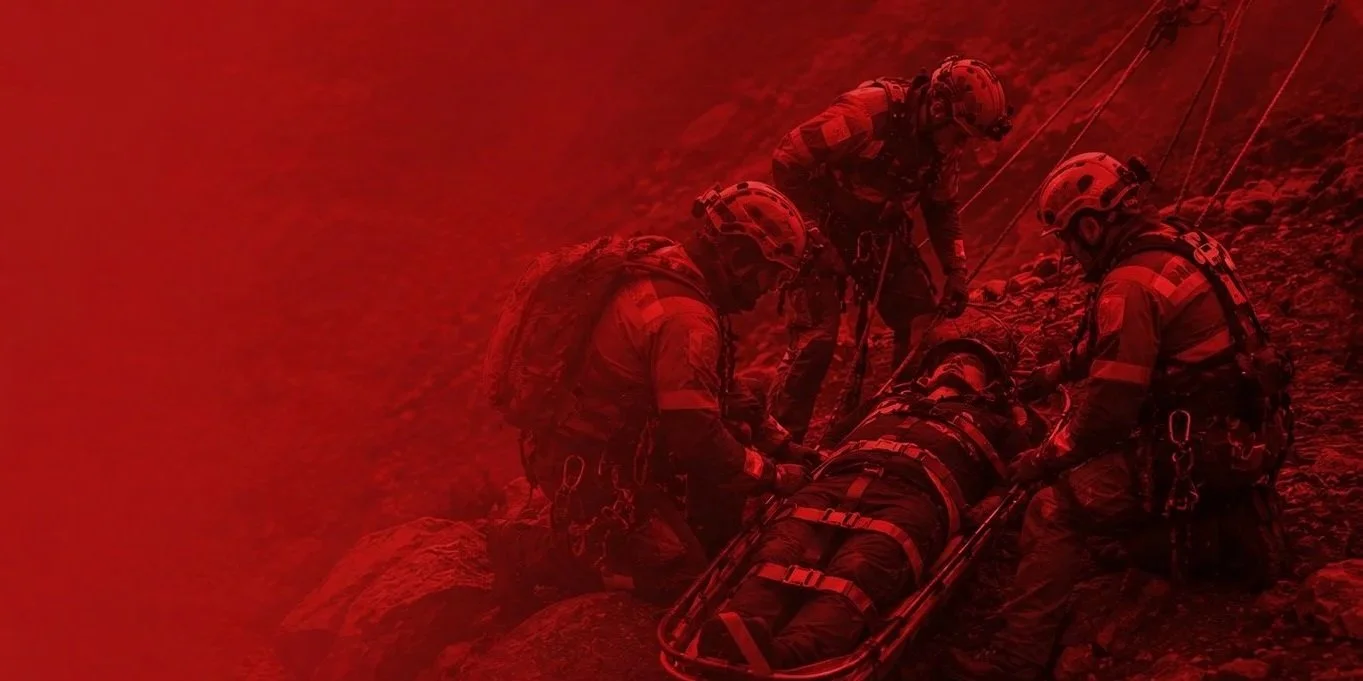
Worker falls from height in a remote location with suspected pelvic and lover limb injuries.
Trauma Management
Management of haemorrhage, airway compromise, chest injuries, shock and other time-critical conditions.
Team Communication
Information sharing, leadership, task allocation and coordinated patient care.
Resource Management
Making decisions with limited equipment, personnel and support.
Evacuation Planning
Patient packaging, extrication considerations and transport decision-making
Who’s it for?
Mine Emergency Response Teams
Industrial Rescue Teams
Emergency Services
Defence Organisations
Remote Operations
Government Agencies
Public Service Rescue Units
Decision-Making Under Pressure
Balancing patient needs, operational constraints and changing conditions.
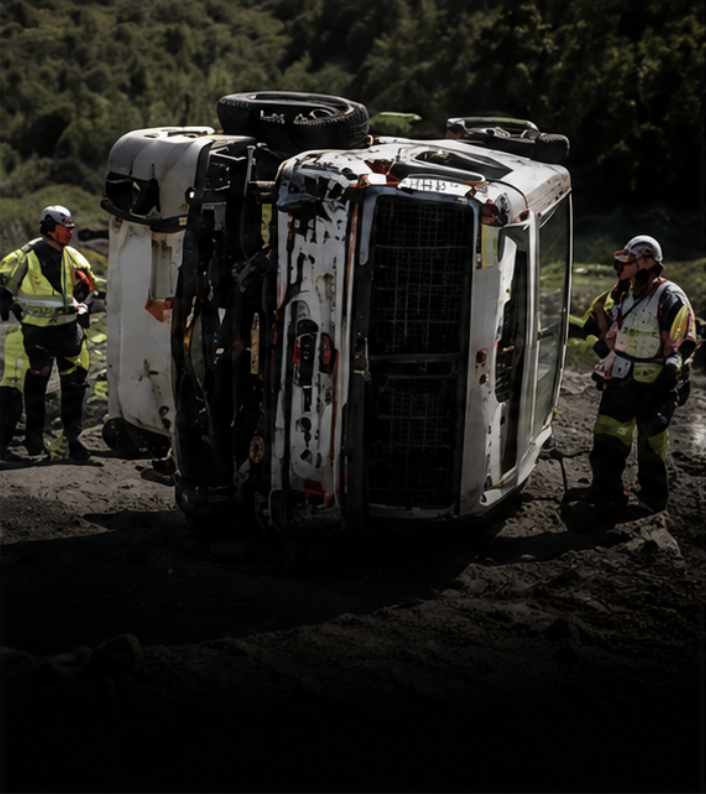
Vehicle Rollover
Multiple casualties requiring triage, treatment and evacuation planning.
Capability Outcomes
Recognise and manage time-critical injuries
Prioritise competing tasks
Communicate effectively under pressure
Manage limited resources
Coordinate team actions
Develop confidence in prolonged patient care
Participants are challenged to:
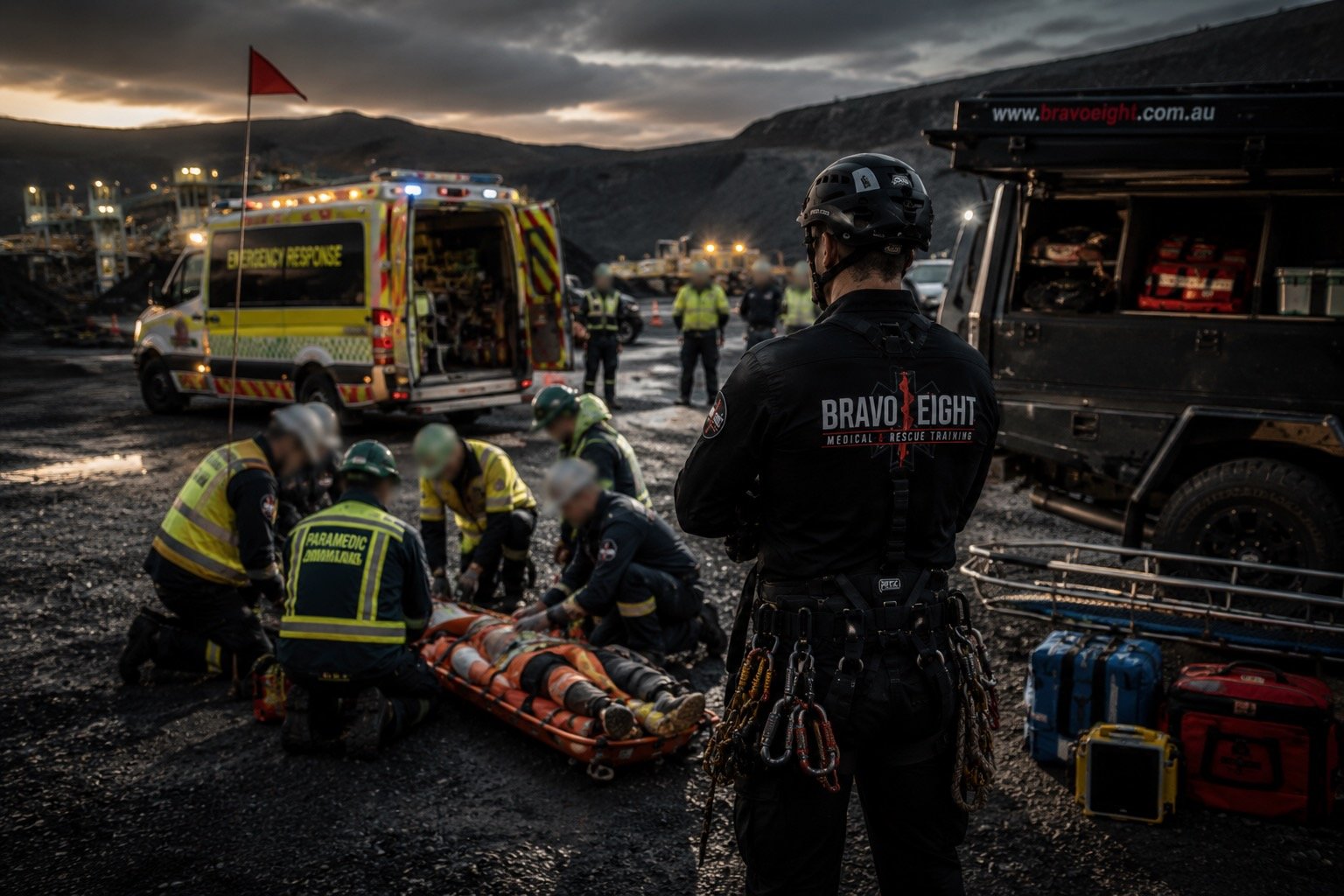
Prolonged Casualty Management
Seriously injured patient requiring treatment while awaiting extrication.


Why it matters
Real incidents don't pause while help is on the way. Remote trauma incidents often require responders to make critical decisions with limited resources and extended transport times.
Realistic simulation allows teams to develop confidence, identify capability gaps and improve performance before a real emergency occurs.
NEED TO VALIDATE YOUR CAPABILITY?
Let’s discuss your exercise or validation requirements