

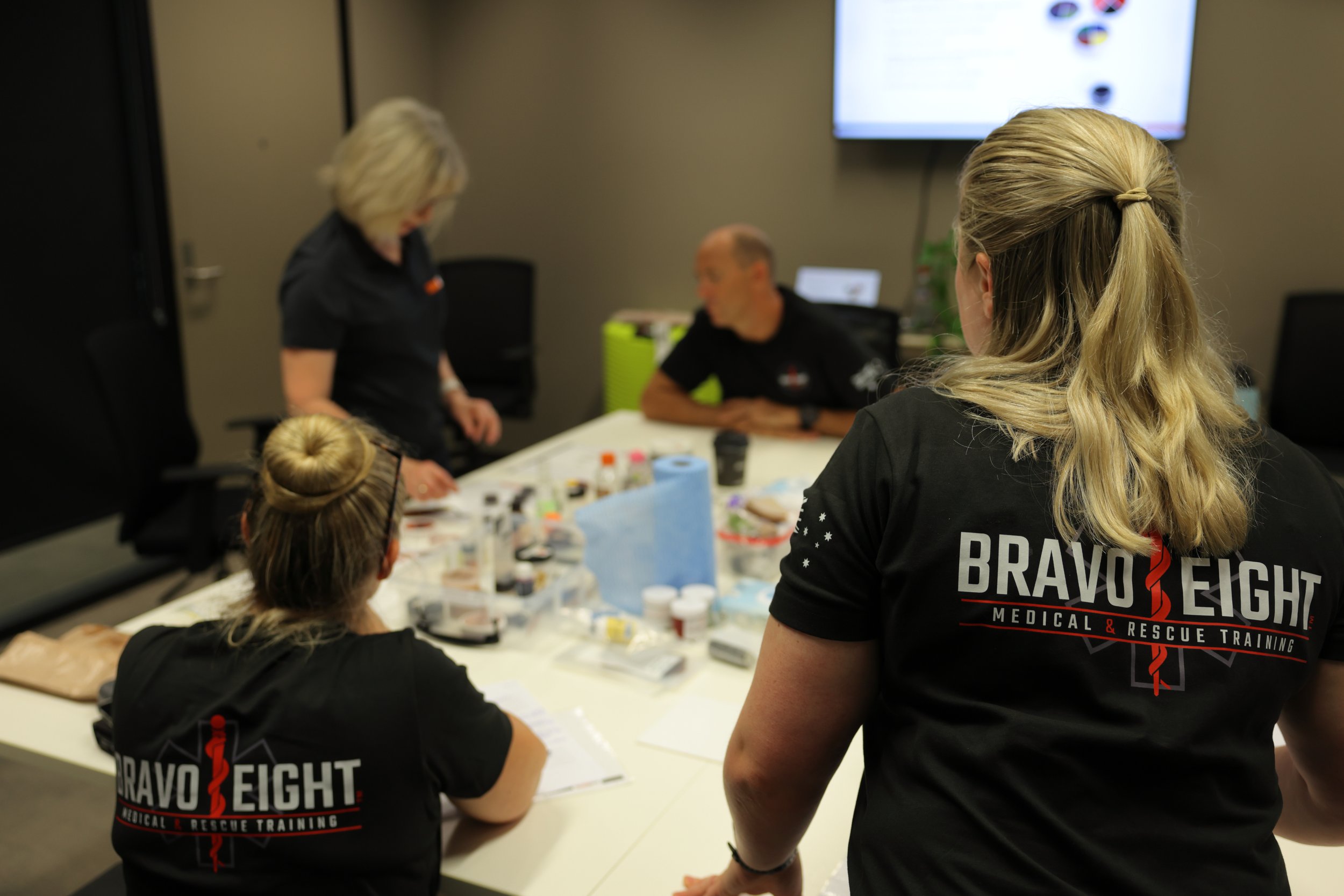
Simulation and Realism
High-fidelity simulation plays an important role in preparing teams for real-world incidents — when it is used deliberately, appropriately, and with purpose.
At Bravo Eight, moulage and simulation are used to support contextual learning, decision-making under pressure, and realistic scenario development — not to create spectacle or unnecessary complexity.
Content Advisory
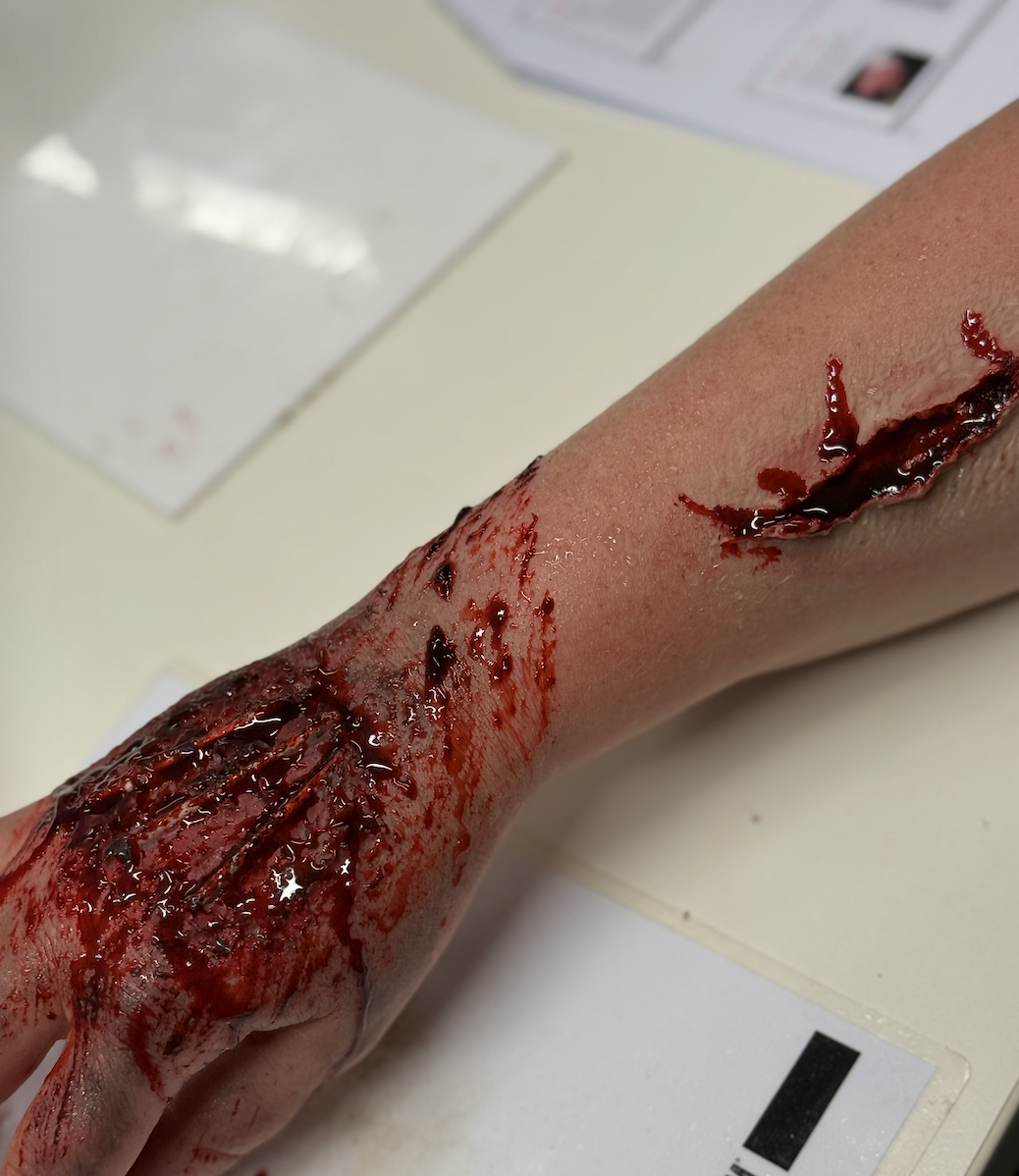
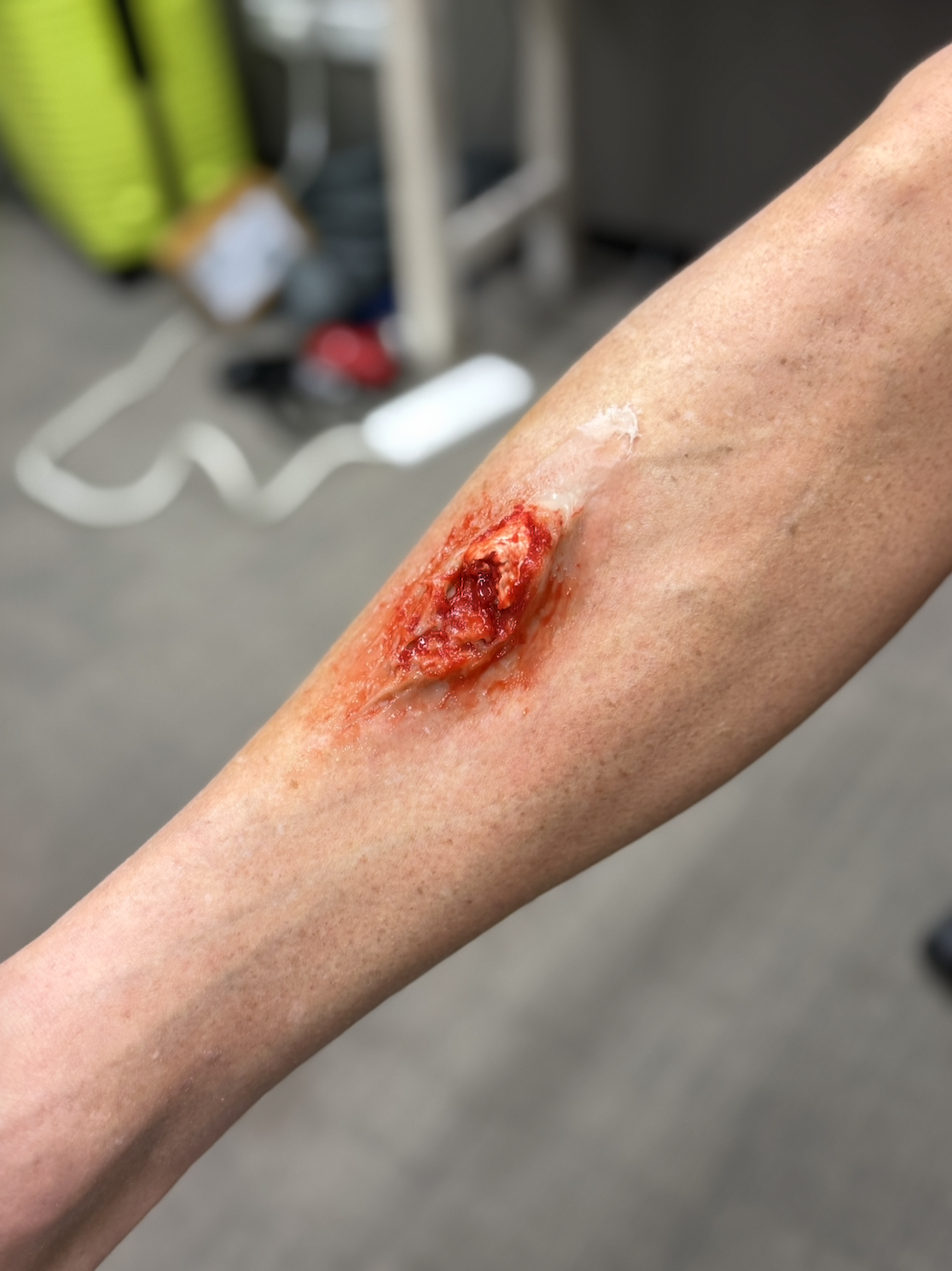
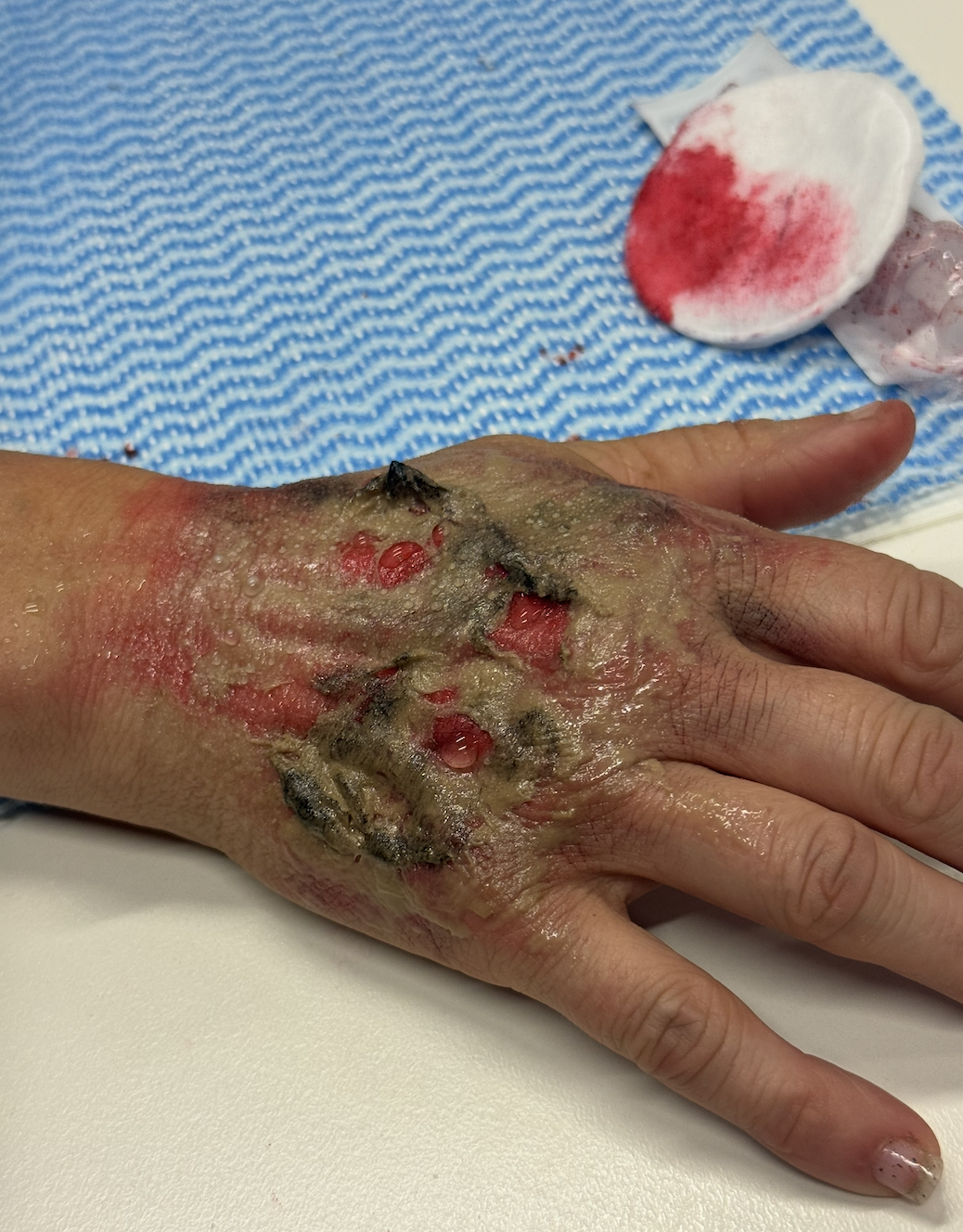
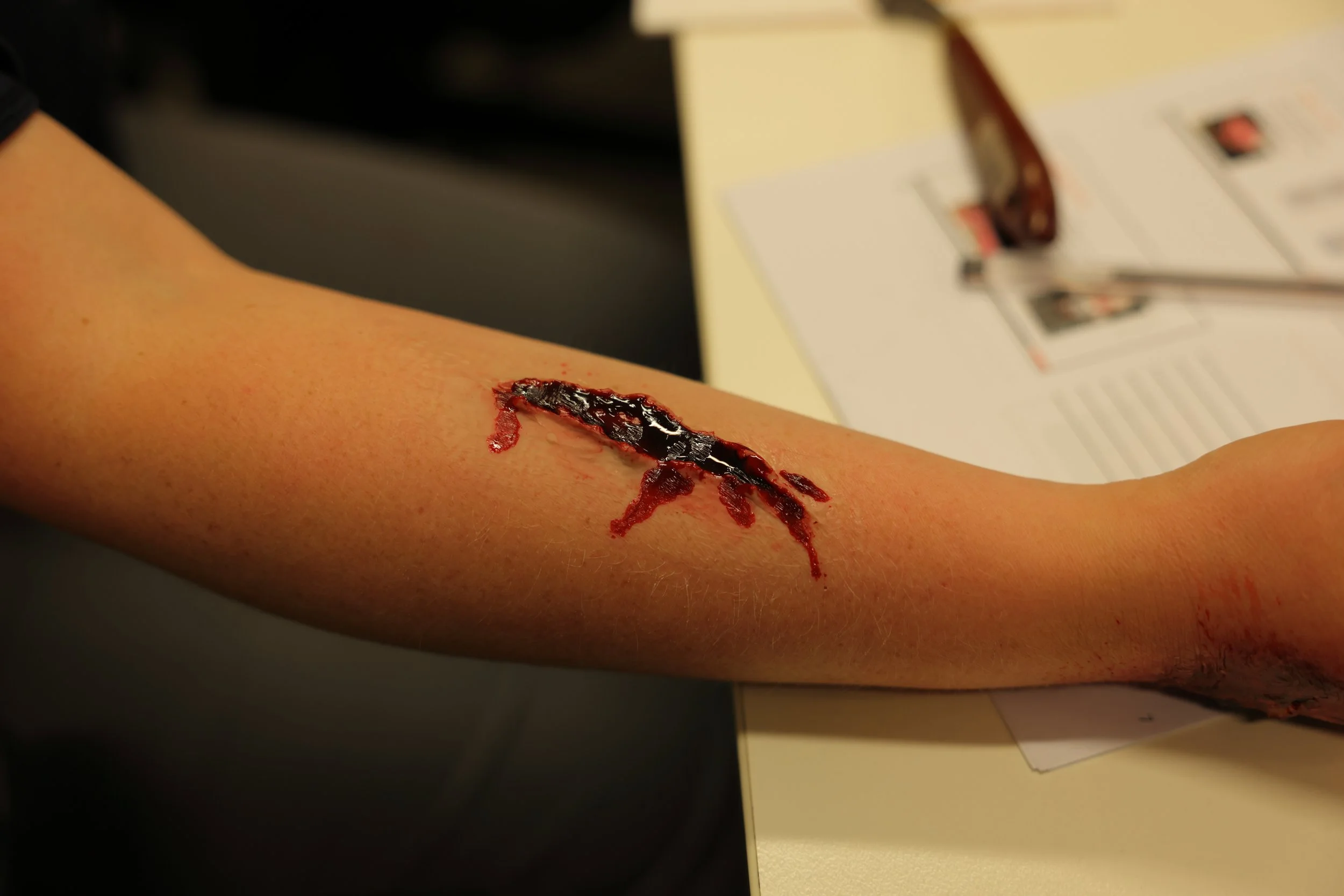
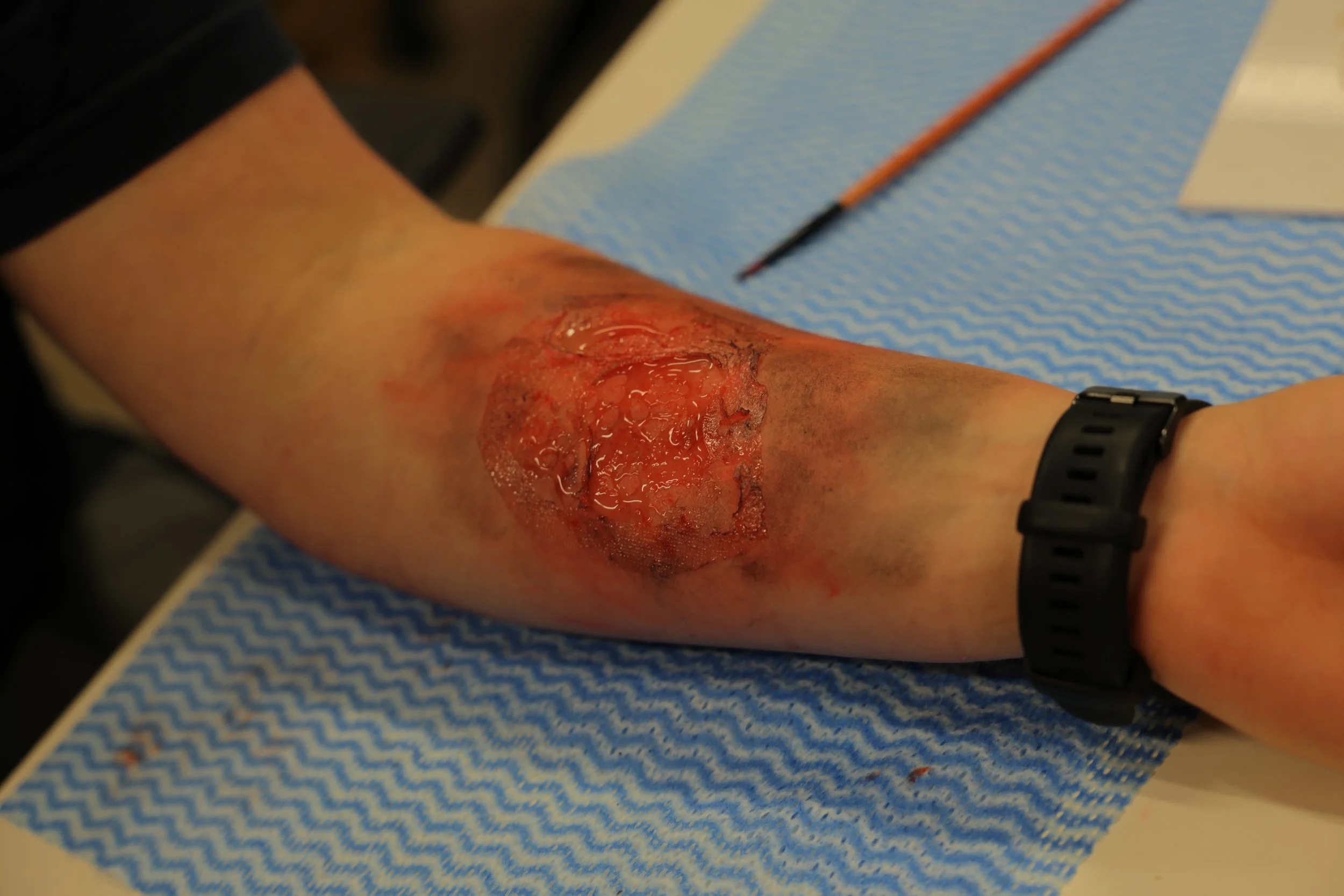
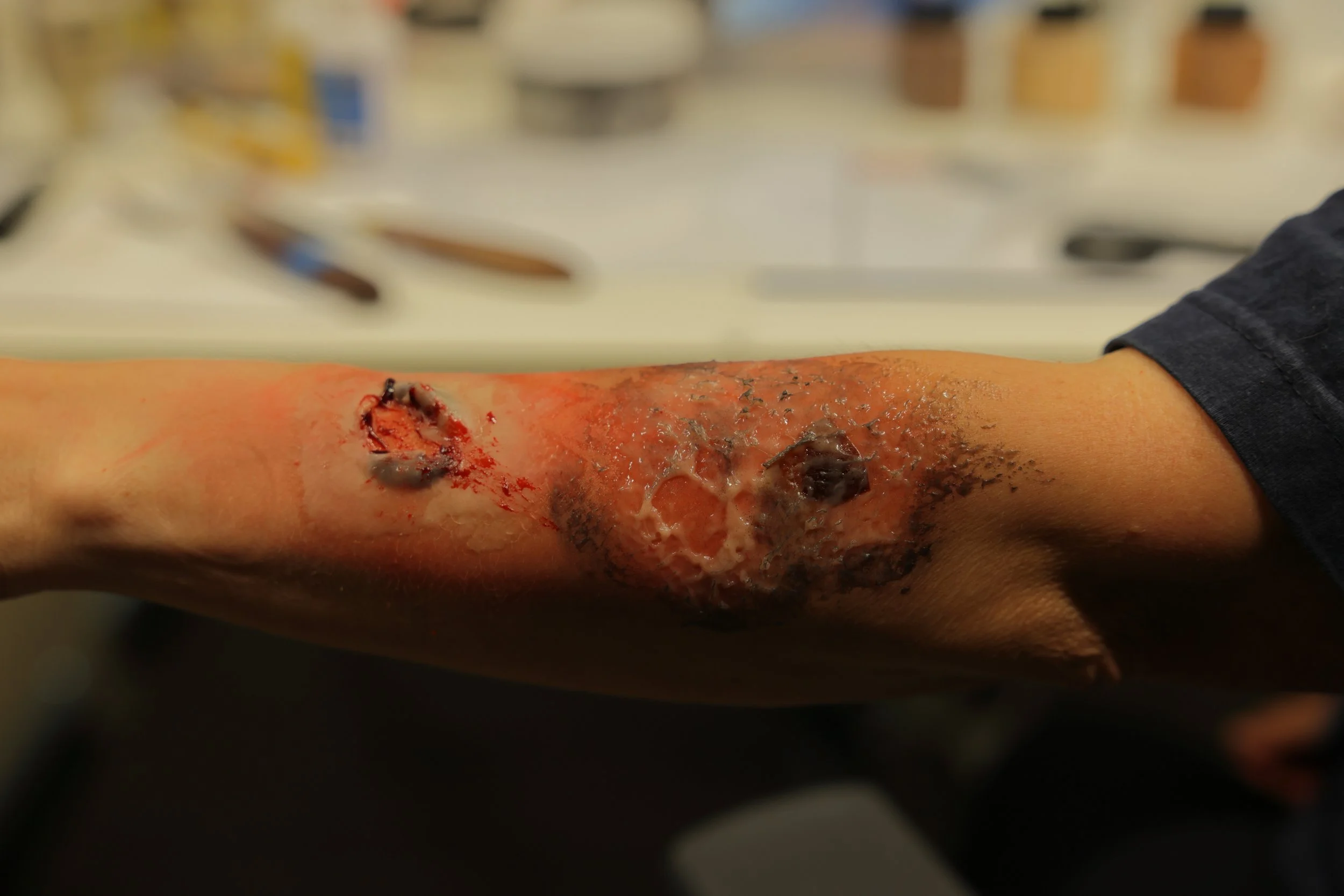
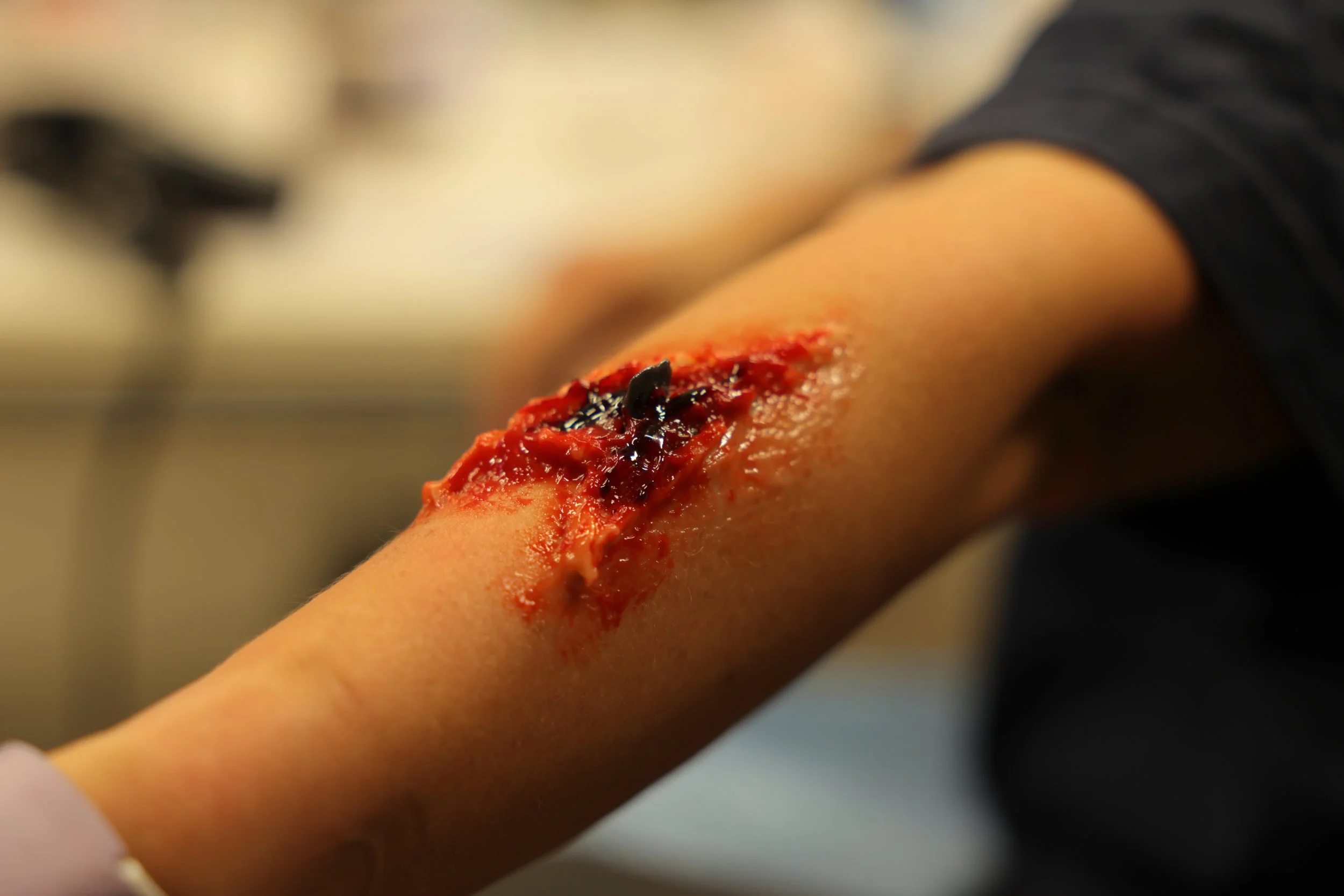
The following images depict realistic simulated injuries created for professional training purposes.
These simulations are used in controlled educational environments to support scenario-based learning, clinical decision-making, and team performance under pressure.
Some viewers may find these images confronting.
Why We Use Simulation
Realistic simulation helps bridge the gap between theoretical knowledge and operational decision-making.
When used correctly, moulage:
Provides visual and contextual cues that influence assessment and prioritisation
Supports realistic scenario flow and team communication
Introduces appropriate stress without compromising psychological safety
Reinforces decision-making rather than distracting from fundamentals
Simulation is always aligned with learning objectives and delivered with clear boundaries and intent
Instructor Preparation & Standards
All simulation and moulage used by Bravo Eight is delivered by instructors who have completed formal training in moulage techniques and simulation safety.
This ensures:
Consistent quality and realism
Appropriate use aligned to learning outcomes
Safe, professional delivery in training environments
Respect for participants and context
Realism is a tool — not the objective.
The following examples demonstrate how moulage is used to support learning objectives within structured training environments.
Bravo Eight training is delivered by a multidisciplinary team with experience across emergency medicine, rescue, and clinical education.
If you’re interested in training that prioritises realism, sound decision-making, and operational relevance, we welcome a conversation.